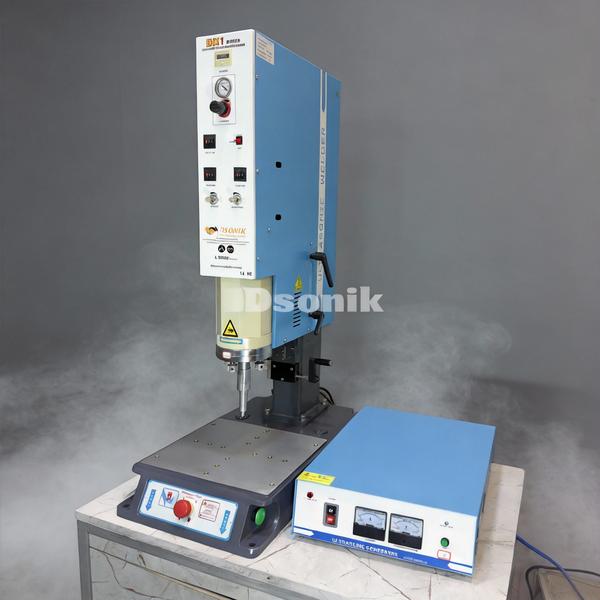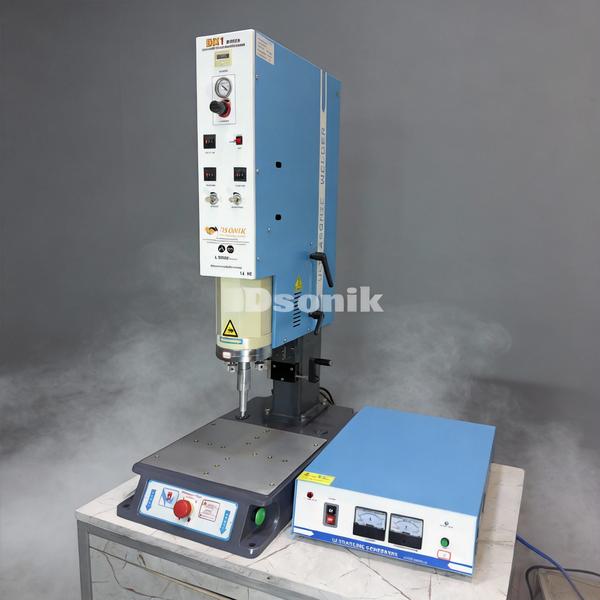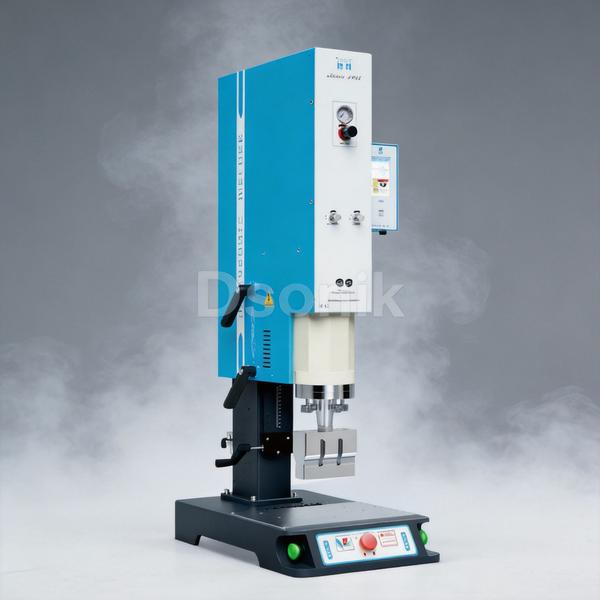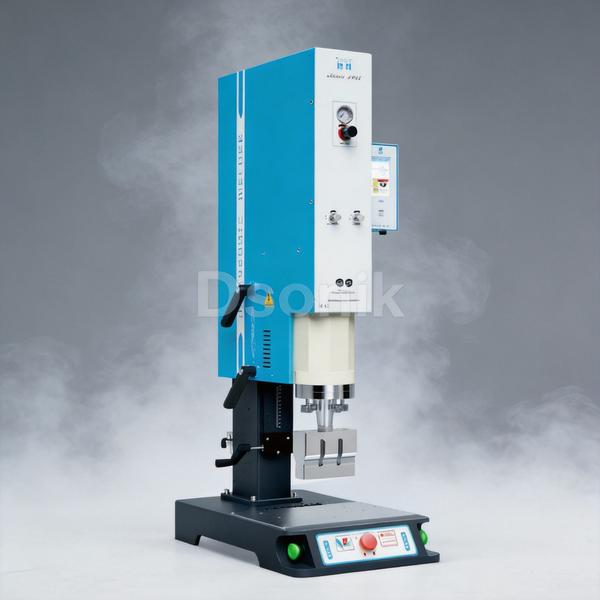

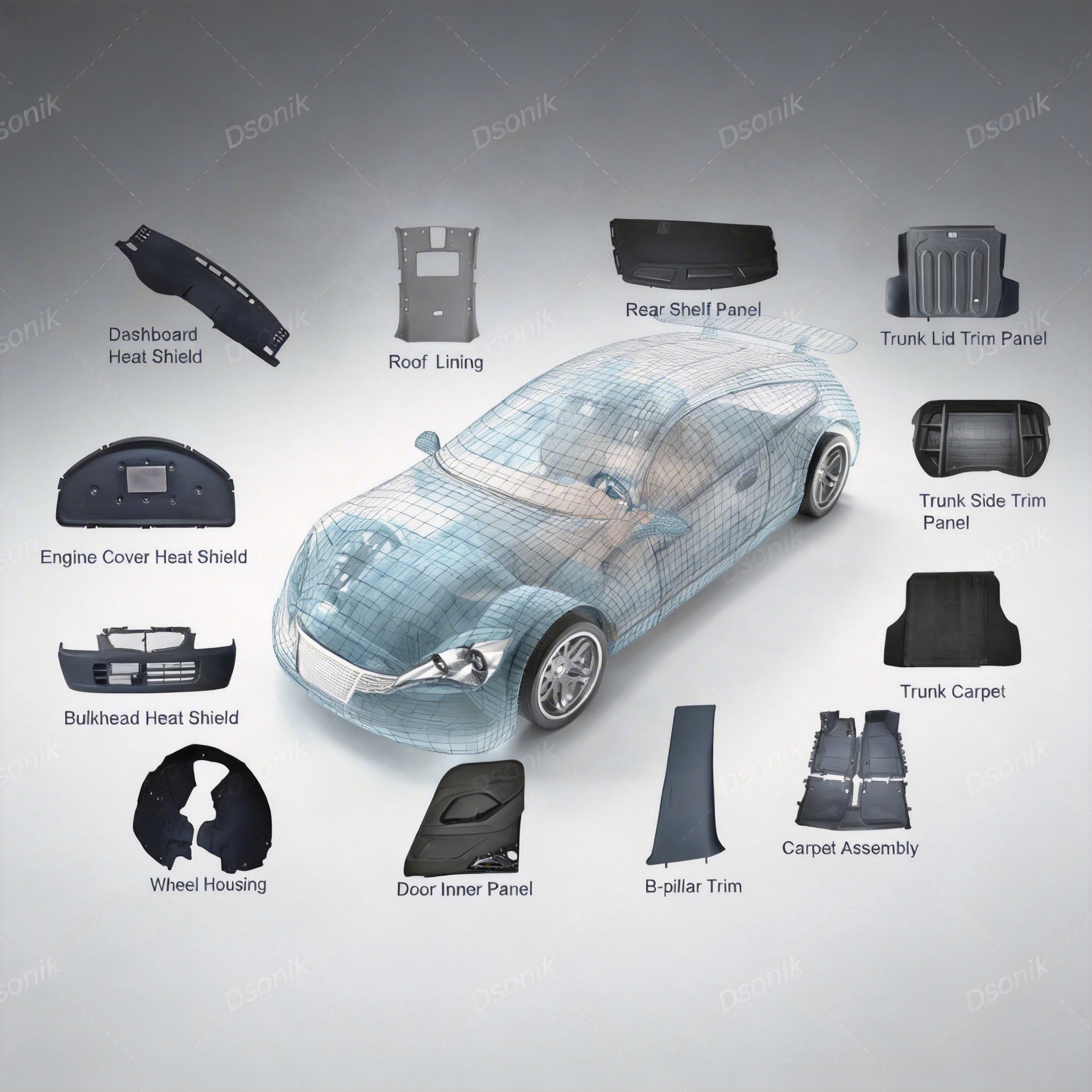
Ultrasonic welding has emerged as a critical joining technology in modern automotive manufacturing, utilizing high-frequency vibrations (20-40kHz) to create precise, high-strength bonds between thermoplastic components. This process generates localized frictional heat at the joint interface, achieving tensile strengths of 50-70N/mm² while maintaining dimensional accuracy within ±0.1mm - essential for today's lightweight vehicle designs. The technology's rapid cycle times (as fast as 0.3 seconds), energy efficiency (30% savings versus thermal welding), and clean operation (zero VOC emissions) make it particularly valuable for EV battery housings, ADAS sensor mounts, and interior trim assemblies that must withstand rigorous vibration testing (SAE J1488 compliant).
The automotive industry leverages ultrasonic welding across three key application areas: structural components like bumper reinforcements requiring impact-resistant joints, e-mobility solutions demanding IP67-rated hermetic seals for battery systems, and precision assemblies for advanced driver assistance systems where micron-level alignment is critical. Modern systems incorporate adaptive control algorithms that automatically adjust parameters for dissimilar material combinations, while integrated quality monitoring verifies 100% of welds in real-time. This combination of versatility and reliability has made ultrasonic welding indispensable for both conventional and electric vehicle production.
With the integration of Industry 4.0 capabilities, ultrasonic welding systems now offer predictive maintenance through IoT connectivity and AI-driven process optimization. These advancements, coupled with the technology's inherent sustainability benefits - including 40% reduced energy consumption and compatibility with recycled materials - position ultrasonic welding as a future-proof solution for next-generation automotive manufacturing. As vehicle architectures continue evolving toward multi-material designs and smarter production processes, ultrasonic welding techniques are expected to play an expanding role in meeting the industry's demanding quality, efficiency, and environmental standards.